


High-temperature UHF anti-metal frequency tag ZJ-2019
Model: ZJ-2019
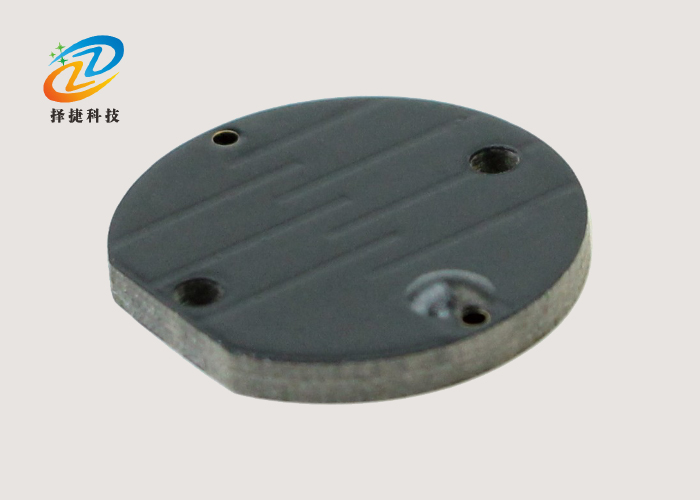
In the industrial production, logistics transport and so on, high temperature UHF anti-metal frequency tags play a key role. They are designed to work in high temperatures, and they can be identified at short distances. The anti-metallic properties make it undisturbed when it comes to metal articles. Whether it's a smelter or a metal product logistics link, the high temperature UHF anti-metallic frequency label is coloured, ensuring that data collection and transmission are accurate.
Main features
The ZJ-2019 high-temperature ultra-high frequency (HF) anti-metal radio frequency tag, designed for metal surfaces, has excellent heat tolerance and can work at ambient temperatures up to 180°C for up to 10 hours. This label is very well suited to demanding production management, asset management and tools management scenarios that provide reliable identification and tracking under extreme conditions, ensuring the efficient management and operational stability of assets.
Specifications
Functional parameters
PFID protocol: EPC Class1 Gen2, ISO18000-6C
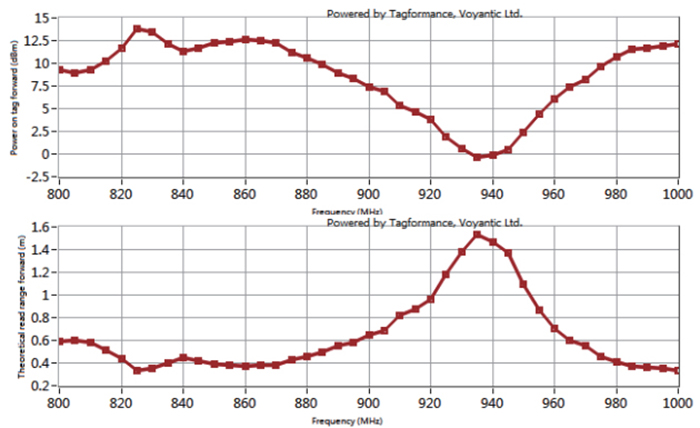
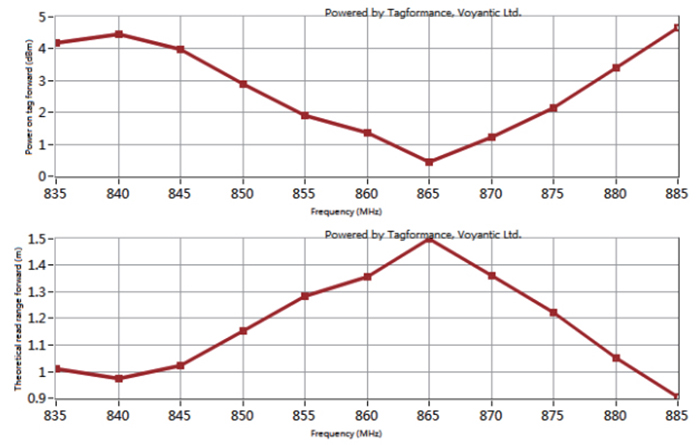
Frequency: (Performance) 902-928 MHz, (European standard) 865-868MHz
Chip: Alien Higgs-4
Storage: MEPC 128bits, user area 128bits, TIDI64bits
Number of writings: 100,000
Capability: Read and write
Data retention: 50 years
Application of surface: metal surface
Quick-reading range (4W fixed machine): 2.5 m (Signature 902-928 MHz, metal surface); 2.7 m (Etard 865-868MHz, metal surface)
Quick-reading distance (2W handheld): 1.2 m (Signature 902-928 MHz, metal surface); 1.4 m (Eco 865-868 MHz, metal surface)
Quality assurance period: 1 year
Physical parameters
Zero dimensions: 20 mm in diameter, (pore: 2mmx2)
Threshold: 2.1 mm (excluding chip surge), 2.8 mm (with chip jump)
Aqueous materials: Industrial high temperature materials
Colours: Black
Installation mode: backgel or screw
Weight of thallium: 1.0g
Environmental Specifications
Dustproof and water-protective level: IP68
Accelerator temperature: -55°C to +200°C (280°C for 50 minutes and 250°C for 150 minutes)
Working temperature: -40°C to +150°C (10 hours at 180°C)
◆ Accreditation: Reach Authentication, RoHS Accreditation, CE Accreditation
Additional Specifications
| Tag Dimensions | Φ20mm |
|---|---|
| Label thickness | 2.8 mm (includes chip surge) |
| Chip Type | Alien Higgs-4 |
| Read Distance | 1.2-2.5 m |
| Communication Protocol | ISO18000-6C |
| Operating Frequency | (Performance) 902-928 MHz |
| Applications | Production management, capital... |
U1 standard frequency
E1 Euro Frequency
Product Photos
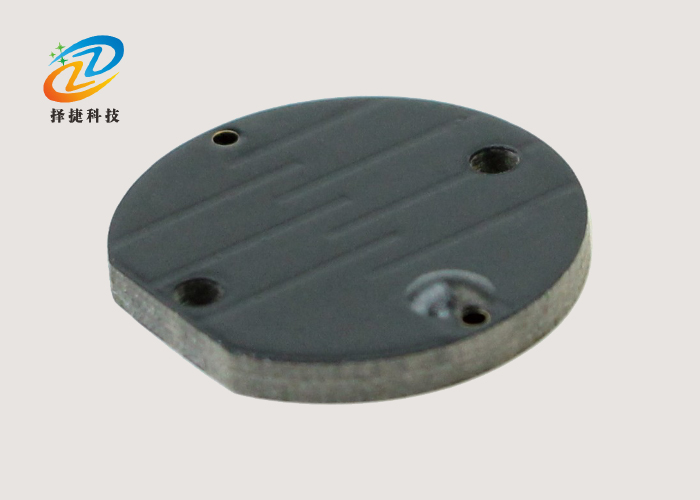
Product advantages
Metallic noodles.
On-Metal
Metal surface is stable and read without signal interference.
Printable
Customise
Soft face supports printing bar codes and text
100h
Lasting stability
It's stable at 300°C for 100 hours.
260℃
It's hot.
Maximum temperature-resisting 260°C, adapted to the high temperature process
 Ms. Lei
 Mr. Pang