


Ceramic frequency tag 1620
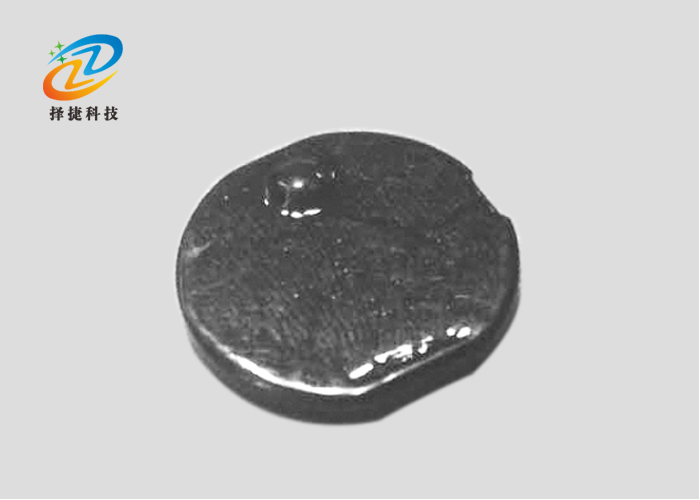
Ceramic frequency tags, which are a tool for identifying special materials, play a key role in many areas. They use ceramic material with good heat tolerance and anti-corrosive properties. In industrial production, ceramic frequency labels can be attached to metal parts, and they accurately document the process; when logistics transports, they adapt to complex environments and keep tracking goods. Using their unique advantages, their application is expanding.
Main features
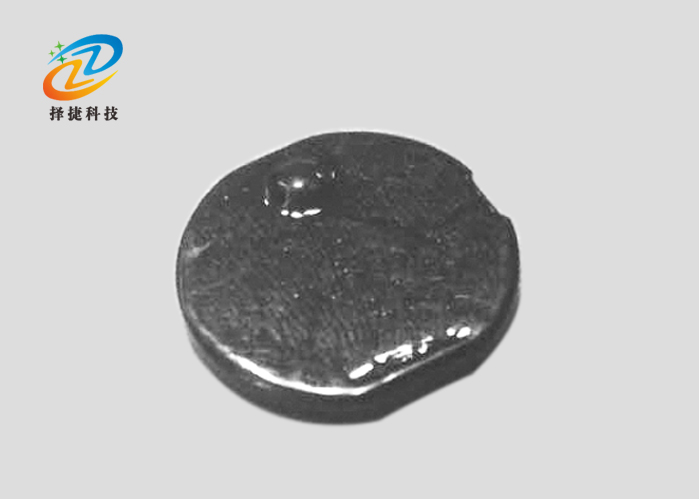
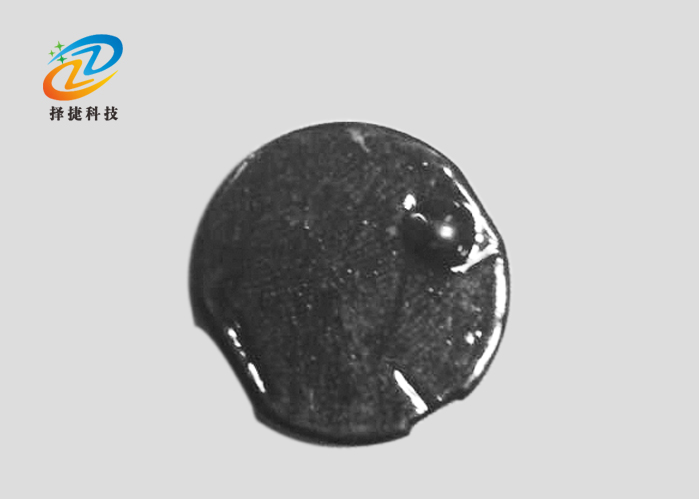
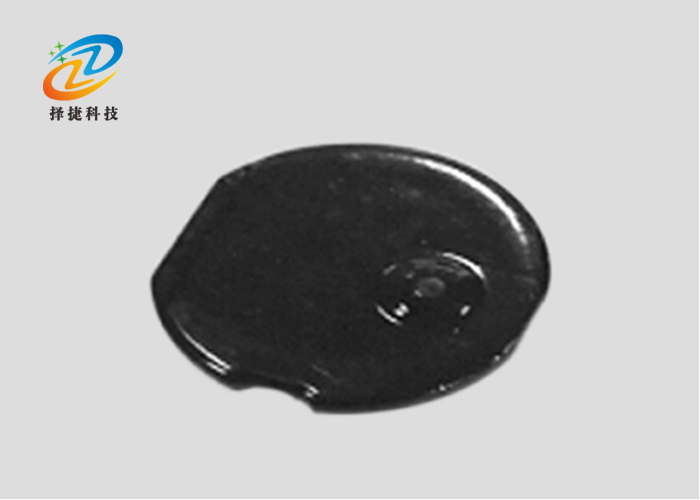
The ceramic radio frequency label 1620 is a classic work of small ceramic tags, which support long-range recognition and readability, handheld devices that can read more than 1.5 m, meet most industry applications, provide labelling solutions in areas such as asset management, production management, etc., and are embedded to meet special requirements for installation, apply to poor working environments, water protection against pollution, and have long-term durability.
Specifications
Chip type: Alinen-H3
◆ Tag dimensions: Φ16 × 2 mm
Communication protocol: Epc Glass 1 Gen2, ISO18000-6C
Storage structures: 96-bit-EPC bits; 512-bit user memory
Usage function: Read/write (user programmed)
Working frequency: 905-928 MHz (EU)
Data preservation: 3 years
Cyclical time frame: 100,000 cycles at 77°F (25°C)
Read rate: 300tags per second for 96-EPC bit number
Additional Specifications
| Tag Dimensions | Φ16*2mm |
|---|---|
| Antenna Dimensions | None |
| Chip Type | Alien-H3 |
| Operating Frequency | 905-928MHz |
| Communication Protocol | ISO18000-6C |
| Memory Capacity | 512Bits |
| Applications | Production management, asset management, tool management... |
Product Photos
 Ms. Lei
 Mr. Pang