



End-to-End RFID and IoT Solutions
Focus on RFID tag, RFID Zreader, AGV Robotics, UWB Positioning and Digitalising Smart Warehousing Applications
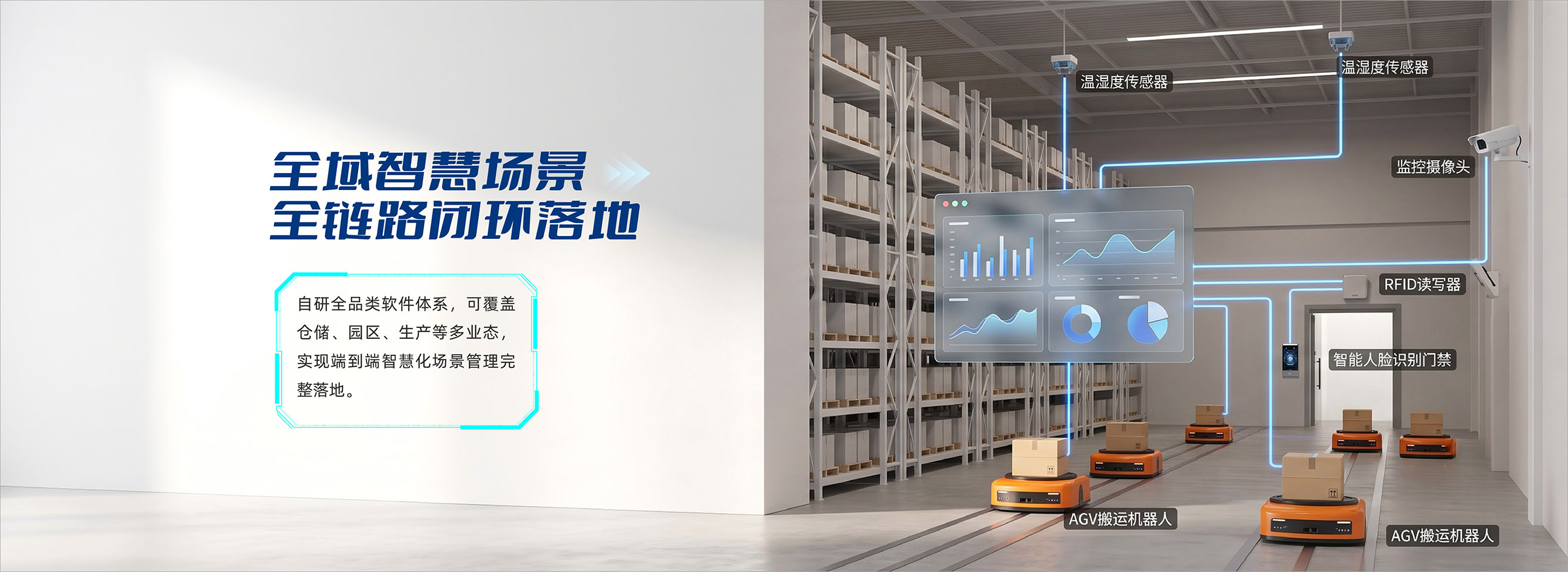
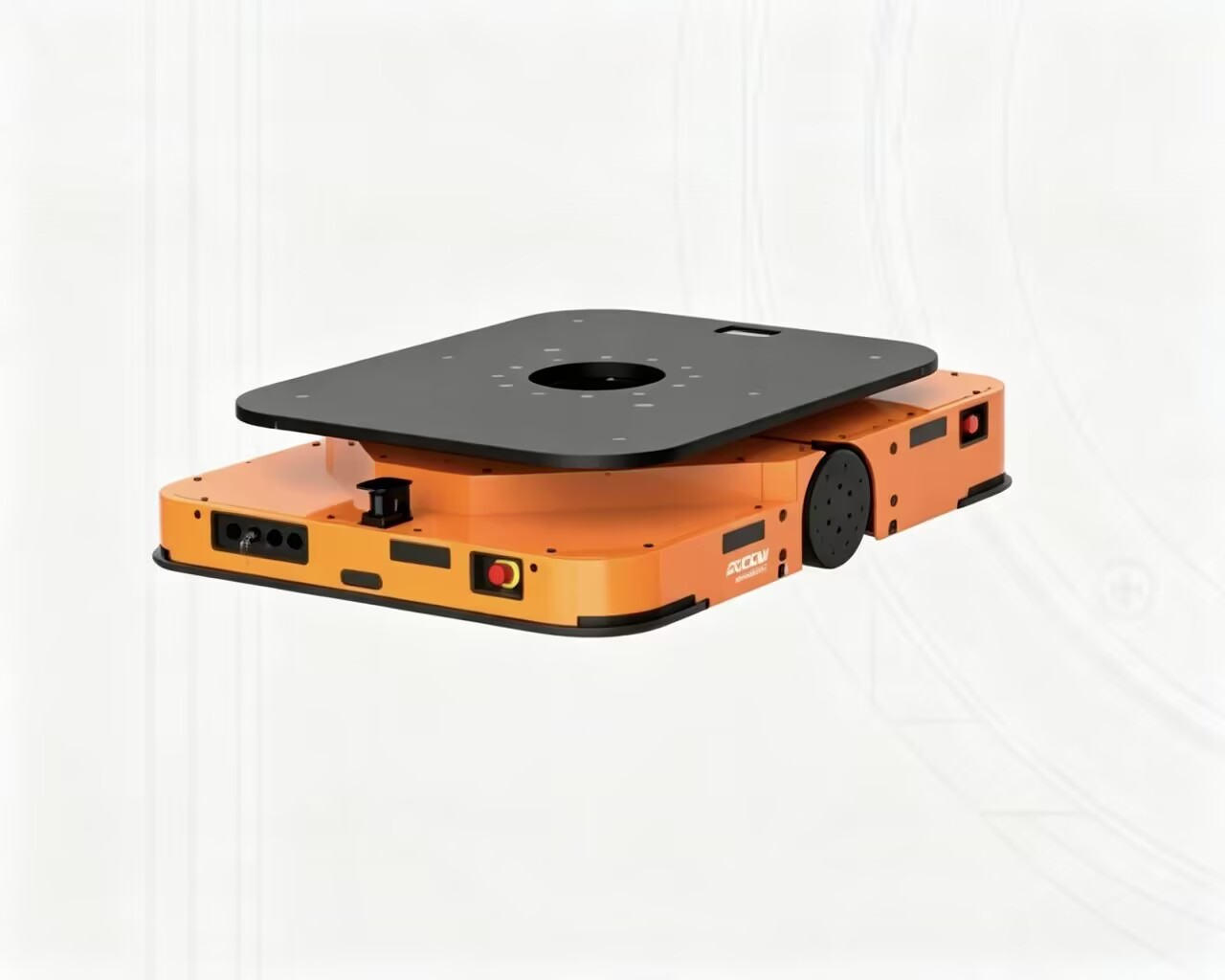
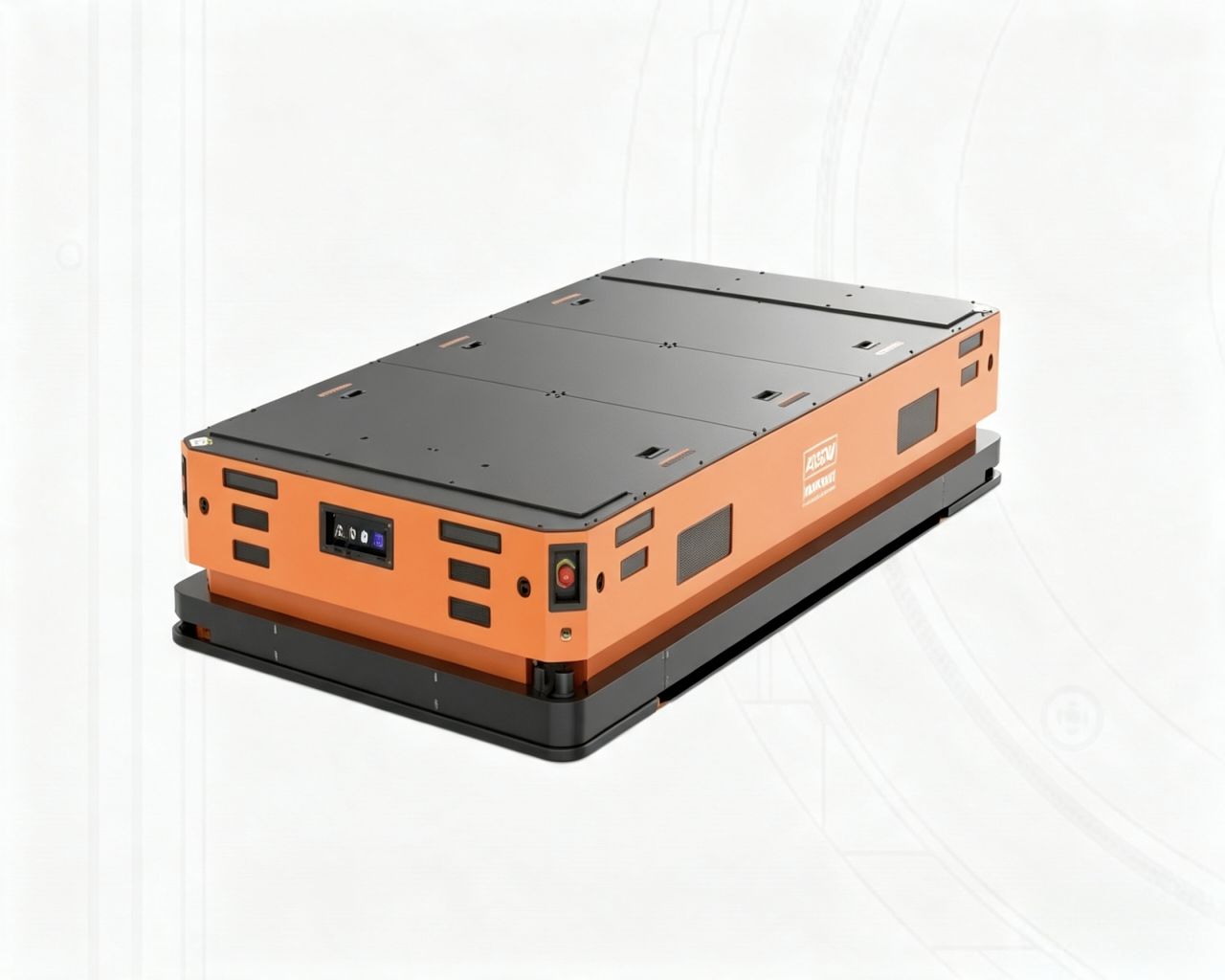
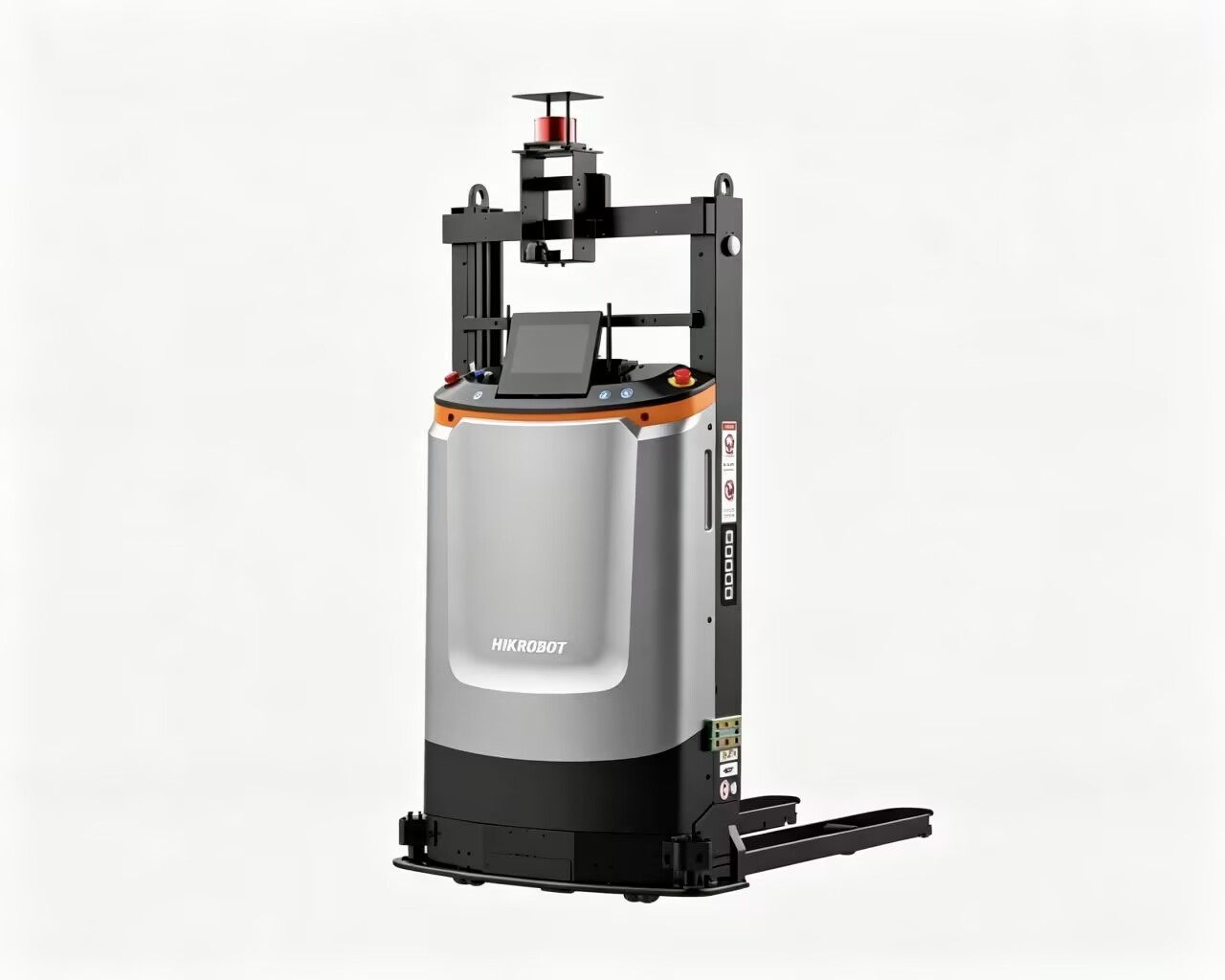
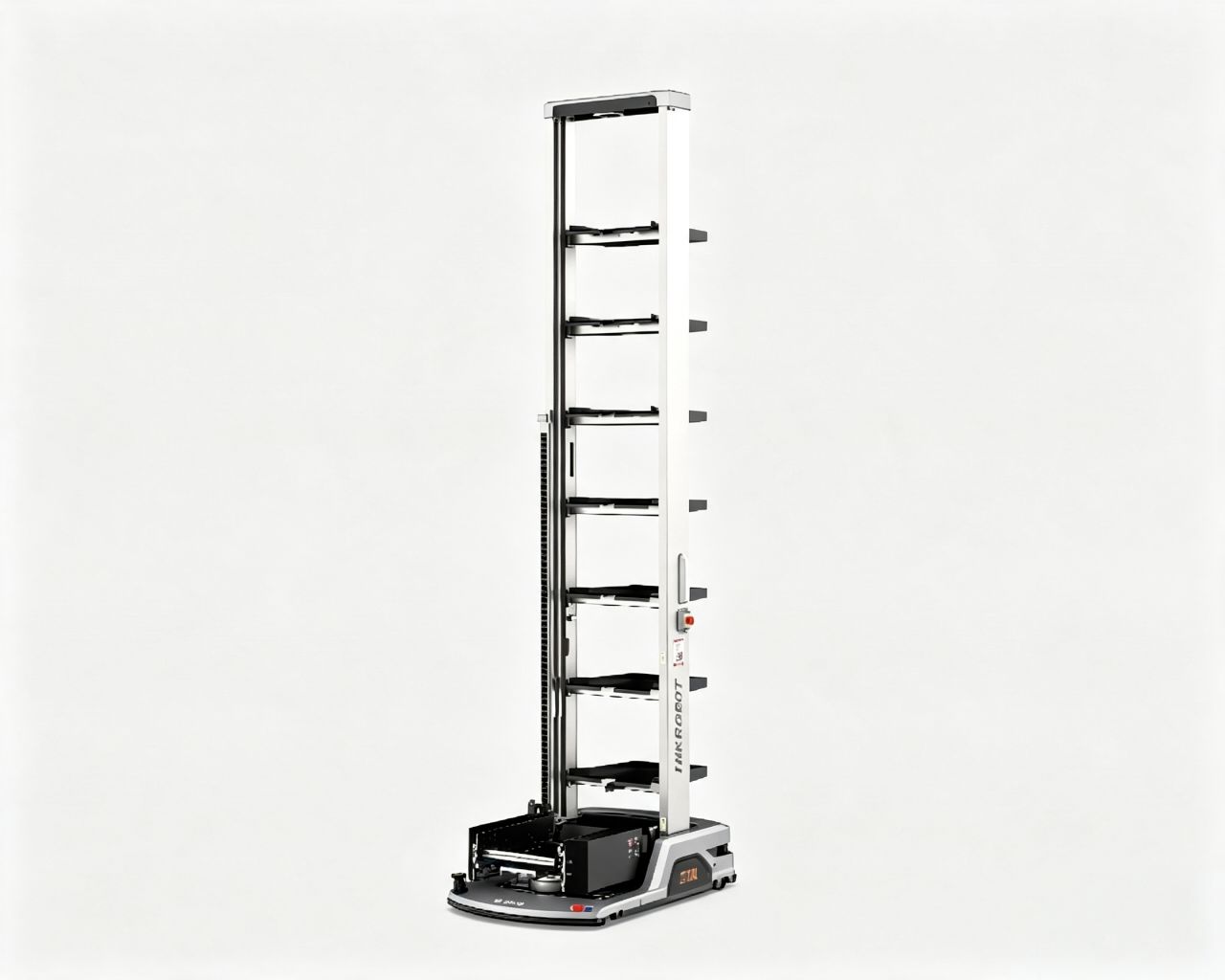
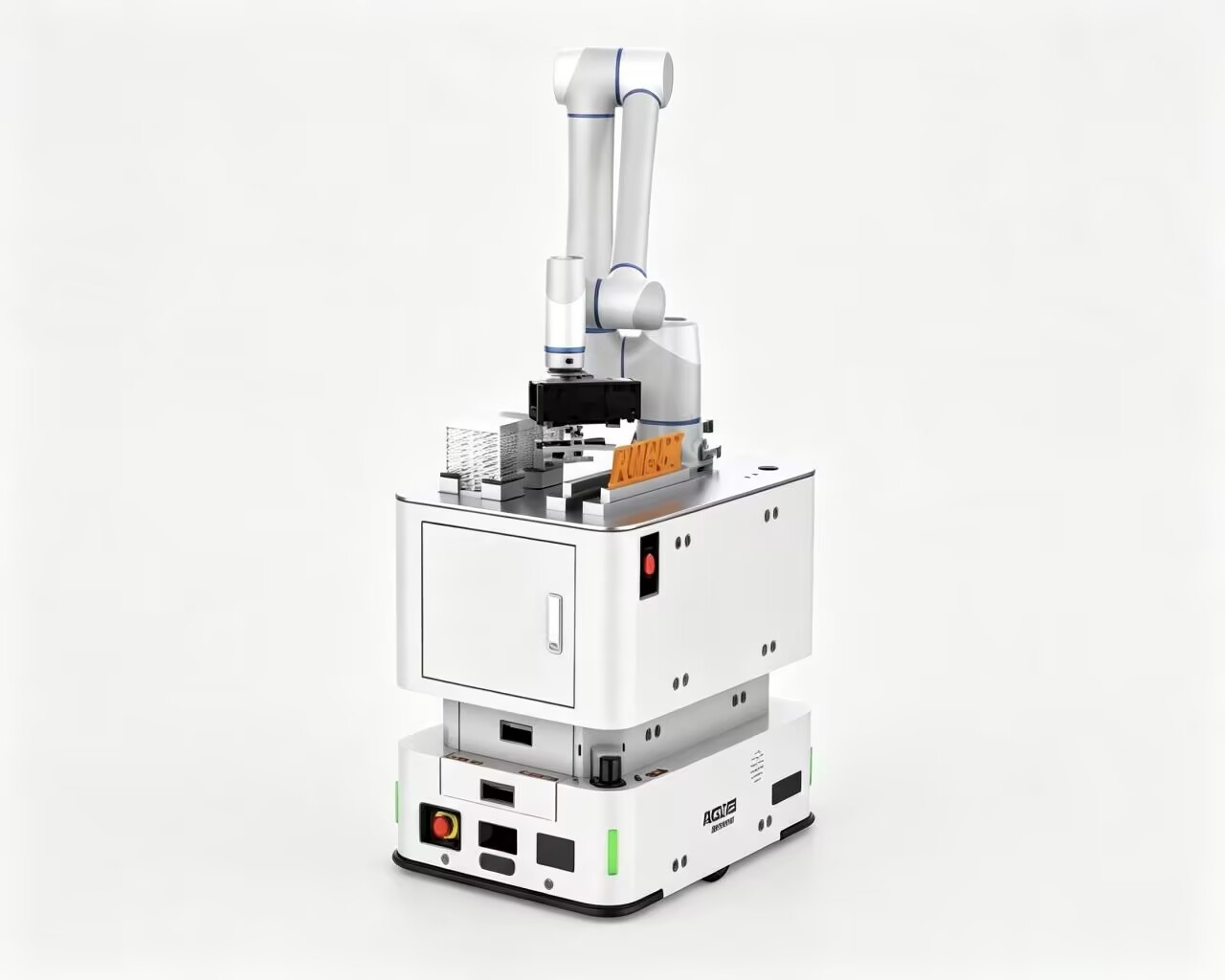
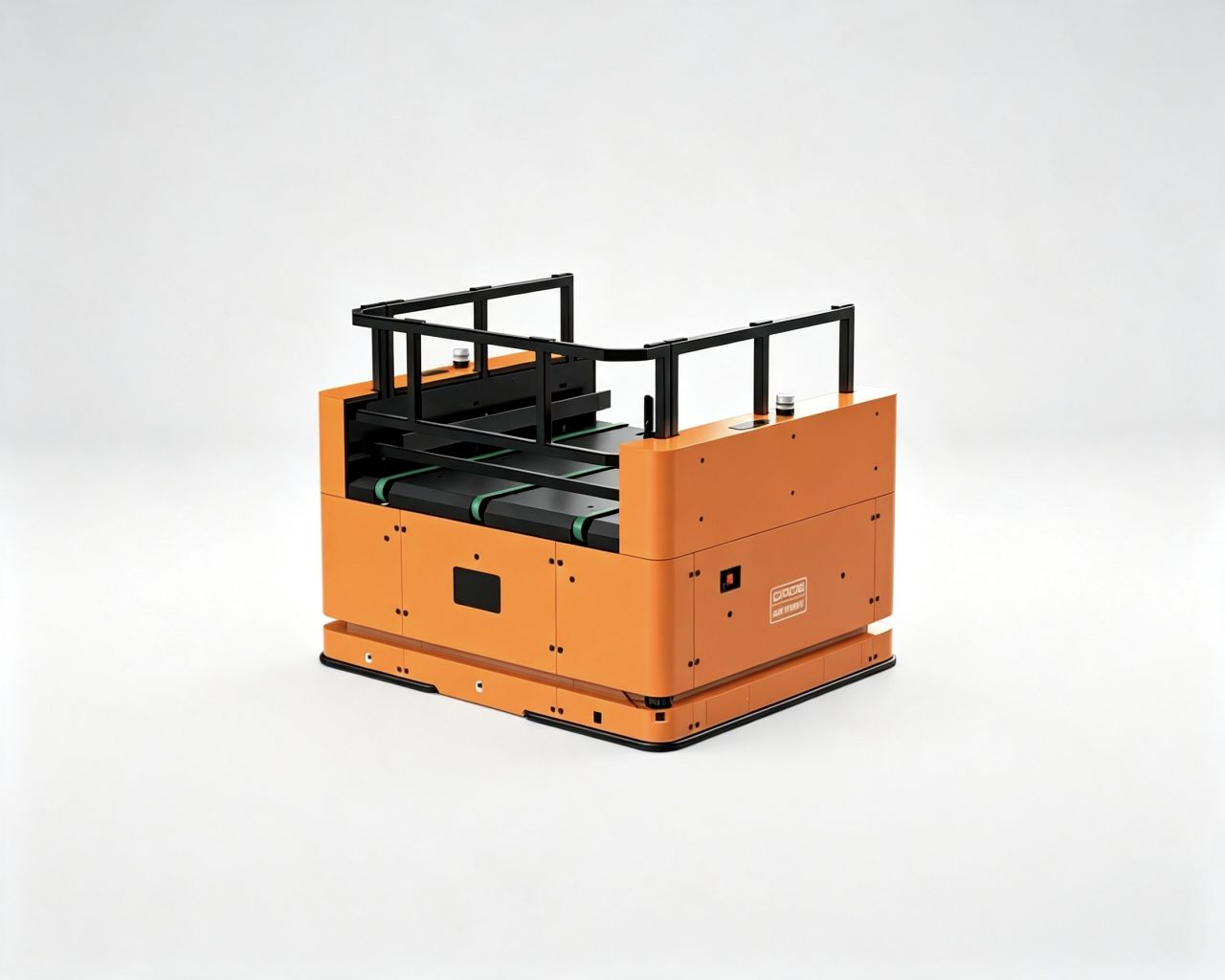
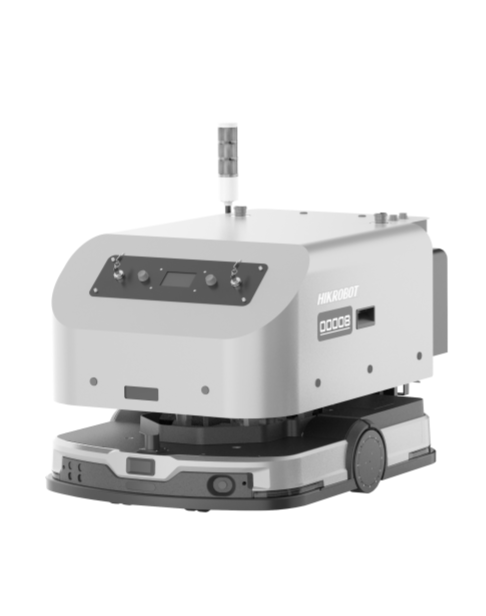
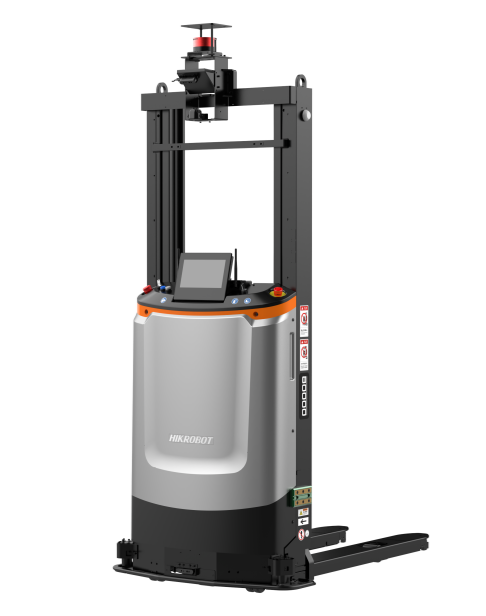
AGV robot.
Industrial AGV robots cover intelligent storage and production line logistics scenarios
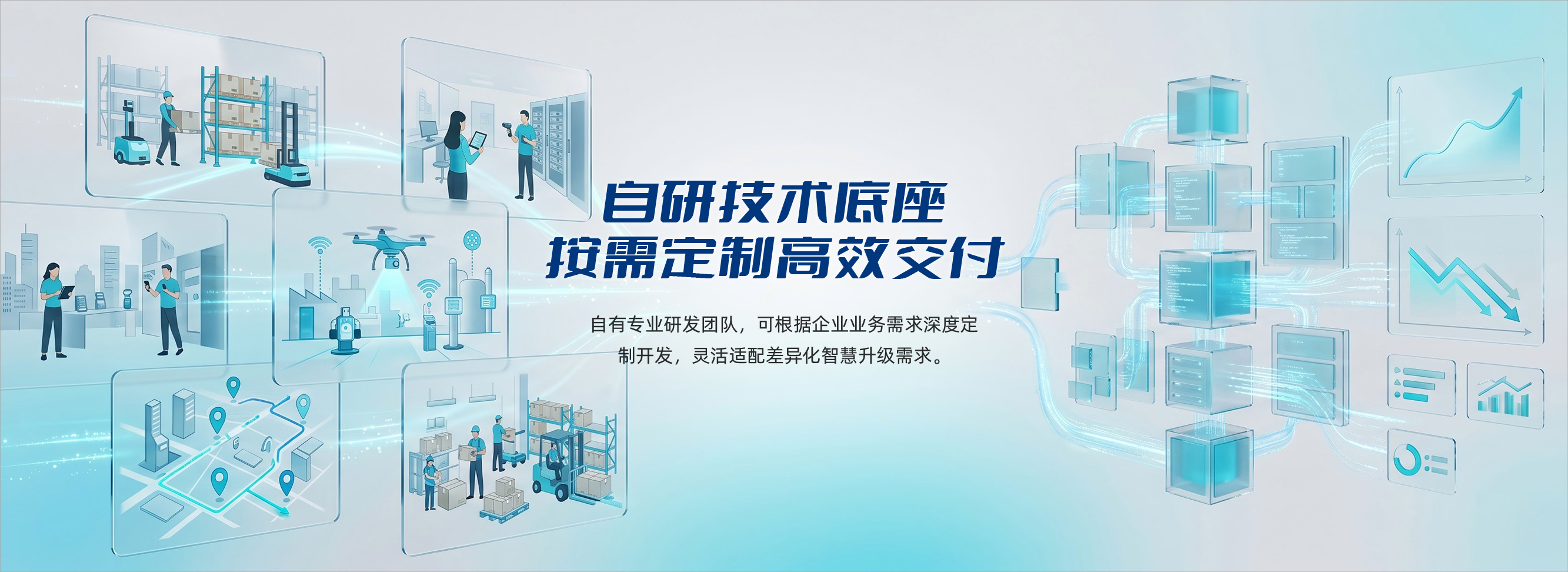
RFID Software Systems
Intermediate, Operations System, API Integration, complete RFID data links



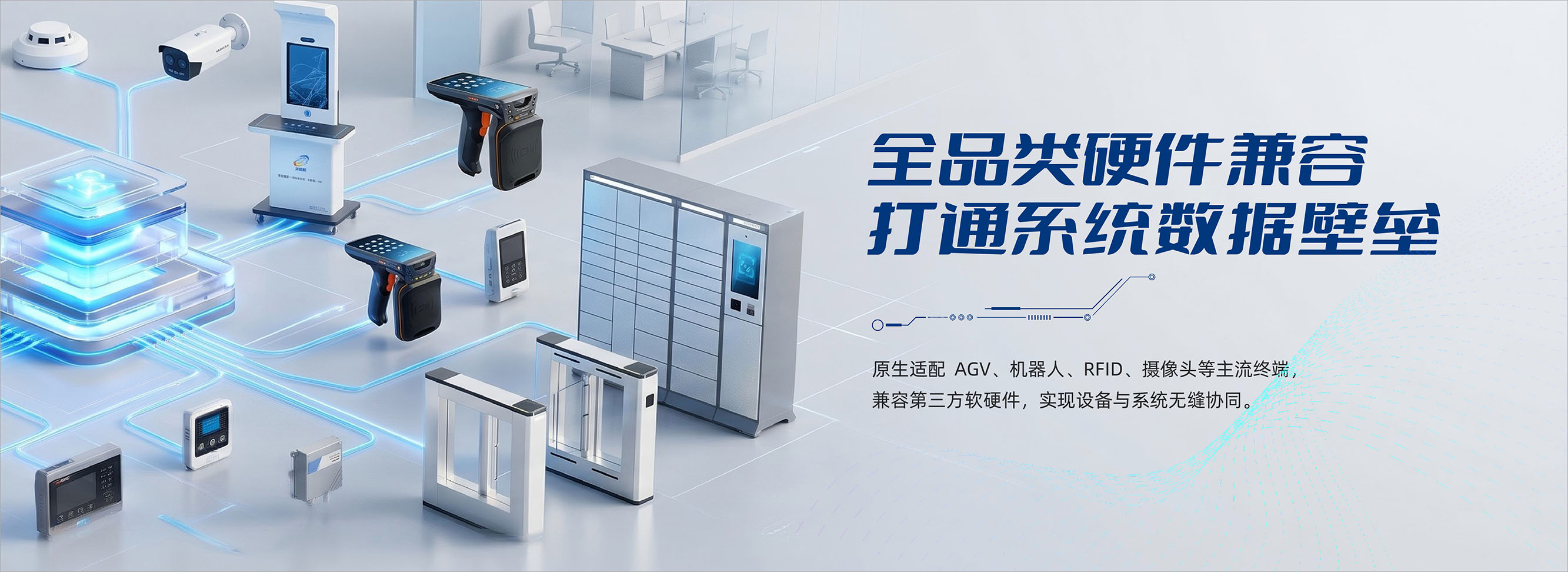
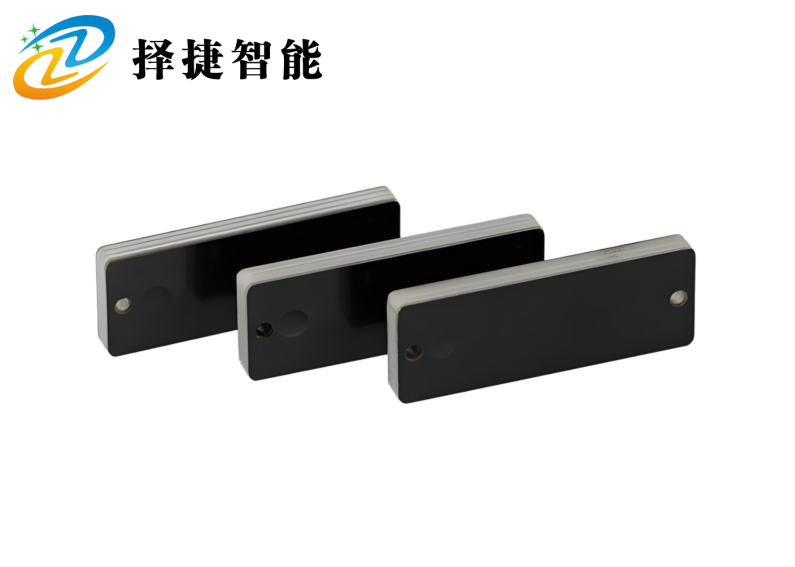
RFID Tags
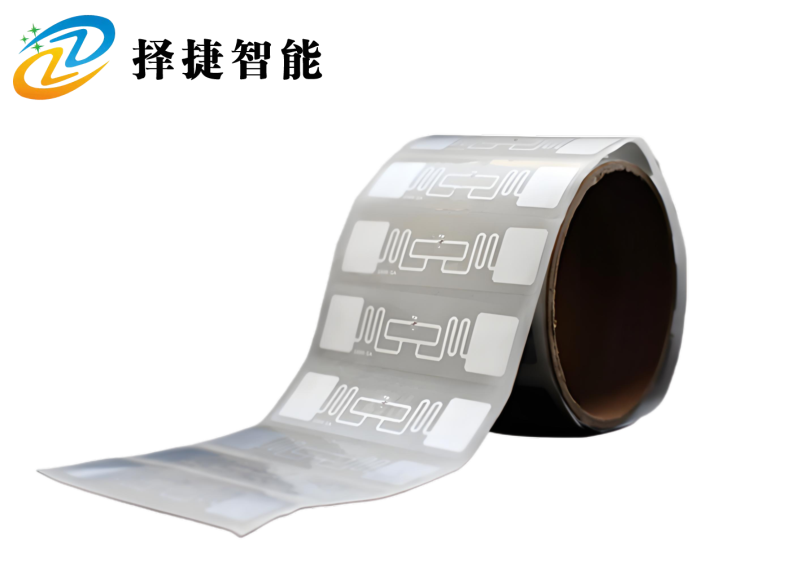
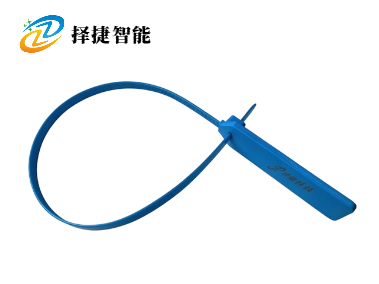
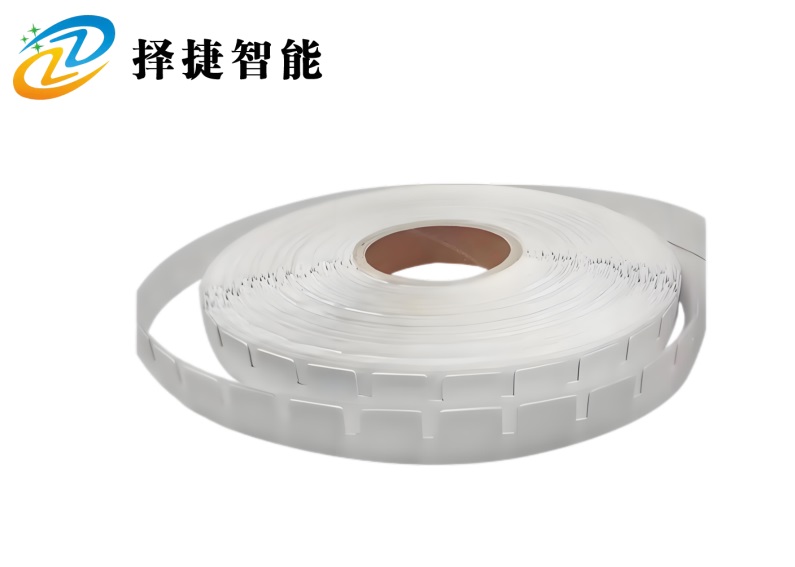
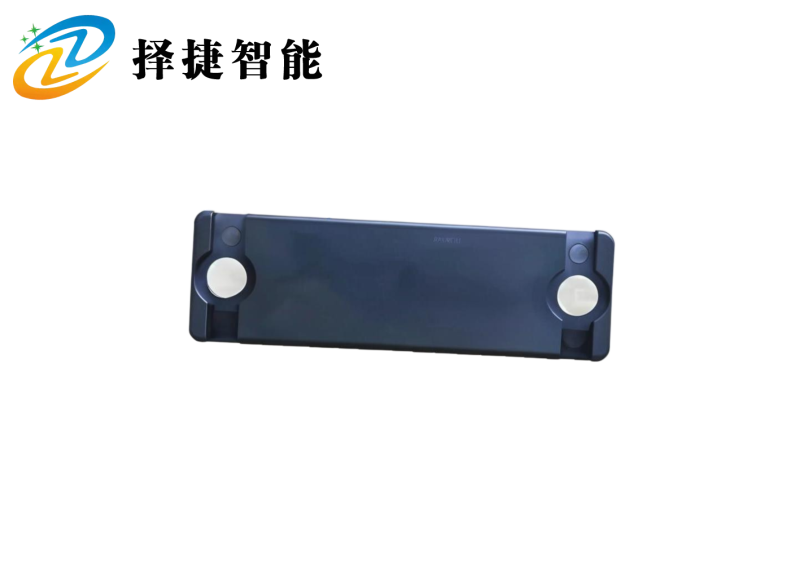
Anti-metal RFID label, anti-liquid RFID tag, high temperature-resistant RFID tags, etc., covering the full frequency band of MHF, HF, LF
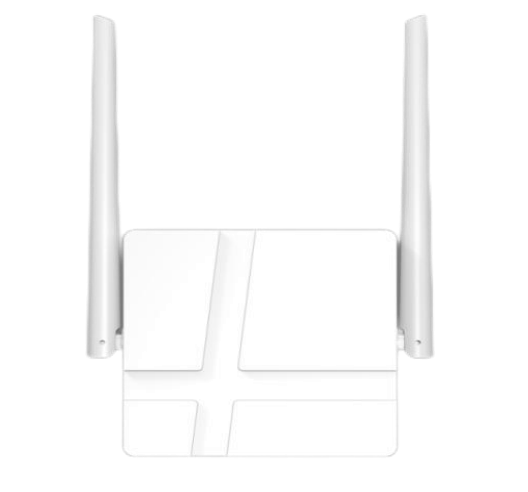
RFID Equipment
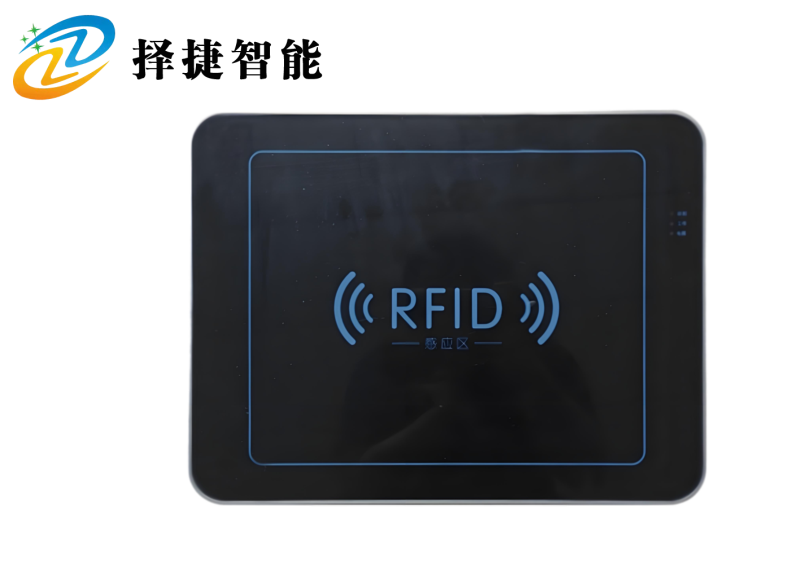
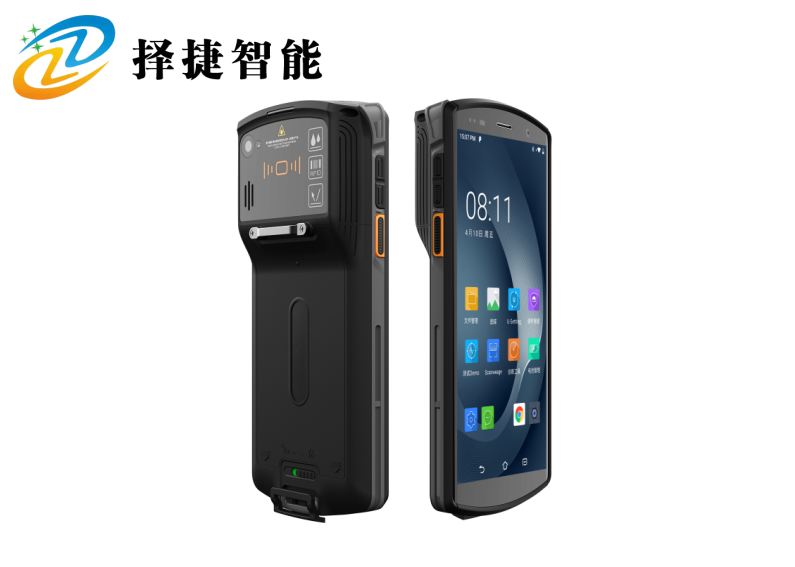
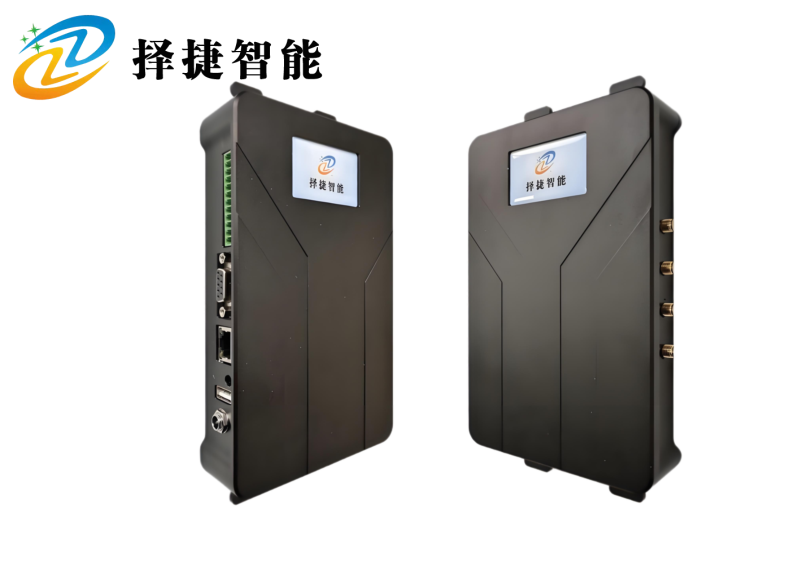
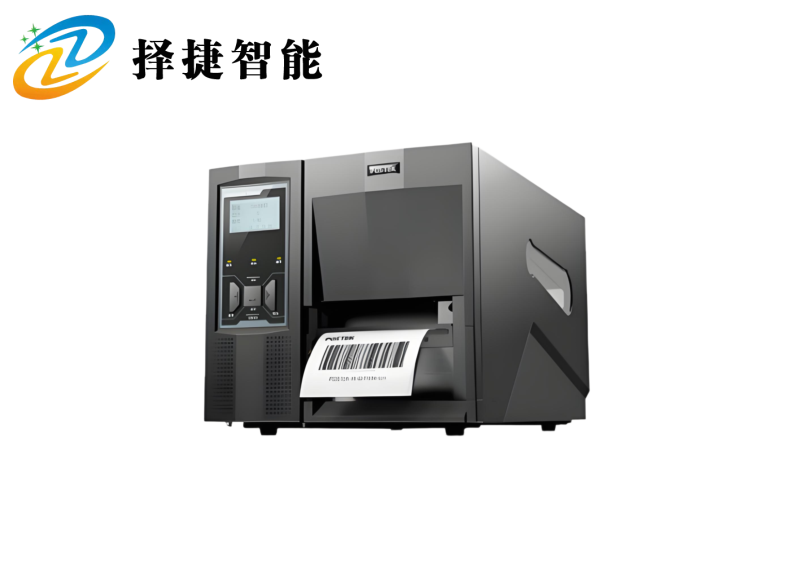
Fixed RFID readers, one-stop RFID readers, handheld RFID readers, etc. covering frequency bands and industrial environments
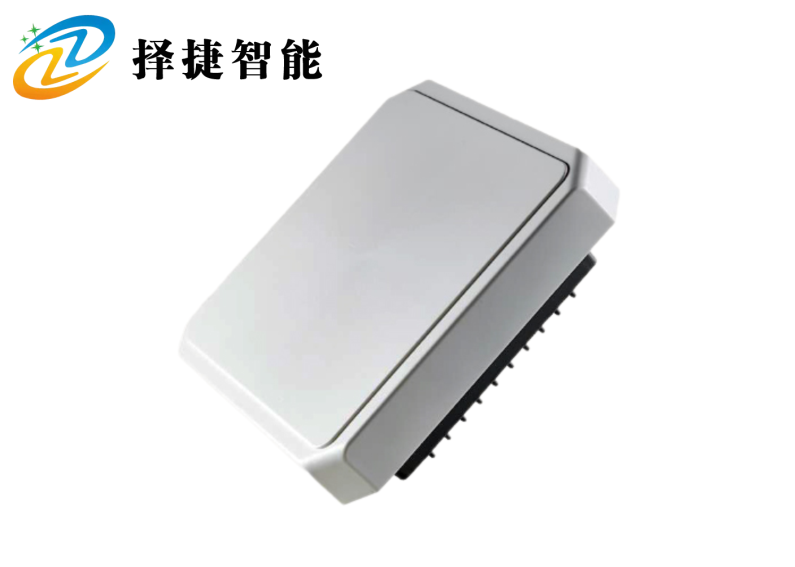
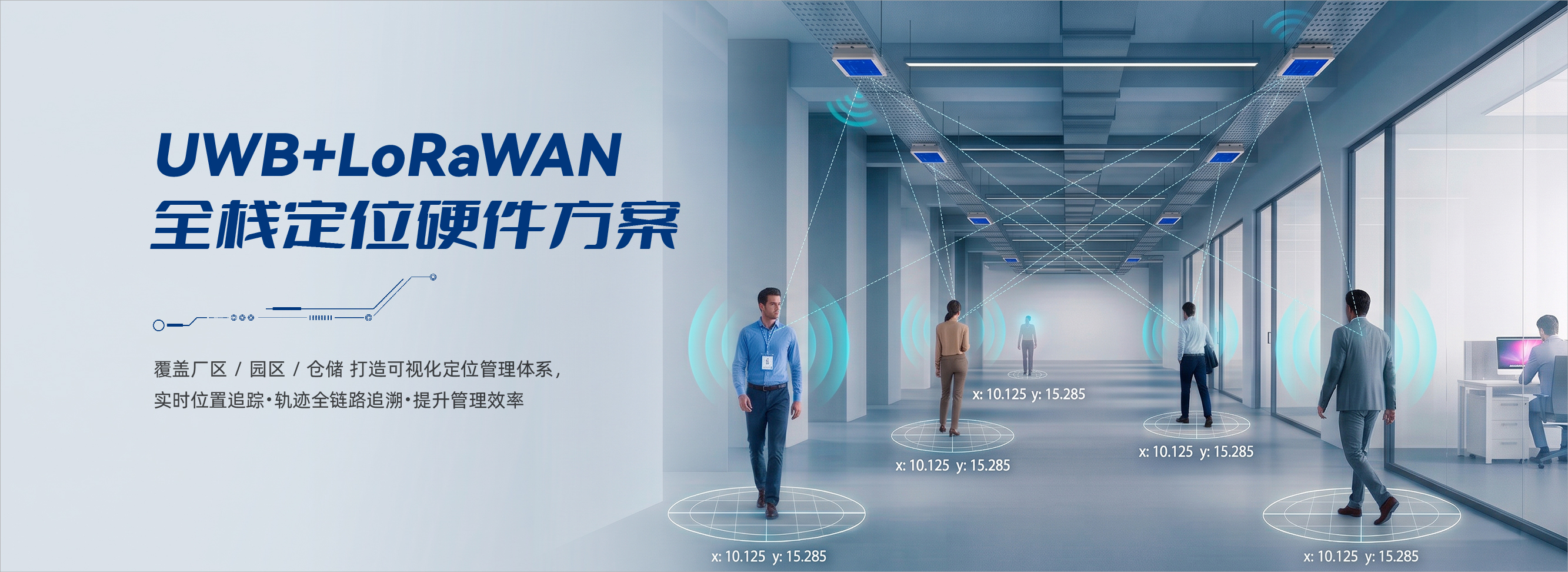
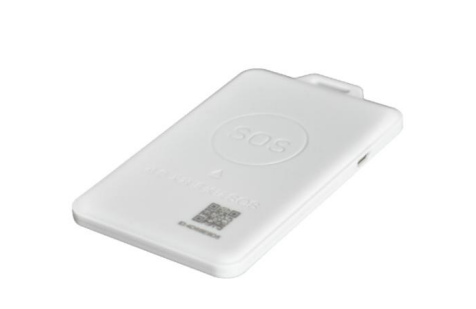
UWB locator
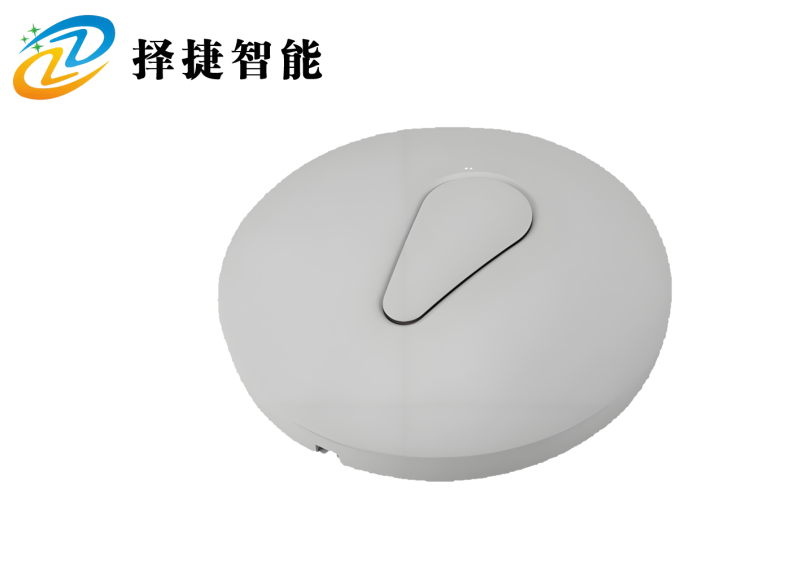
UWB tag, UWB beacon, UWB base station, Ami class precision to position people and objects
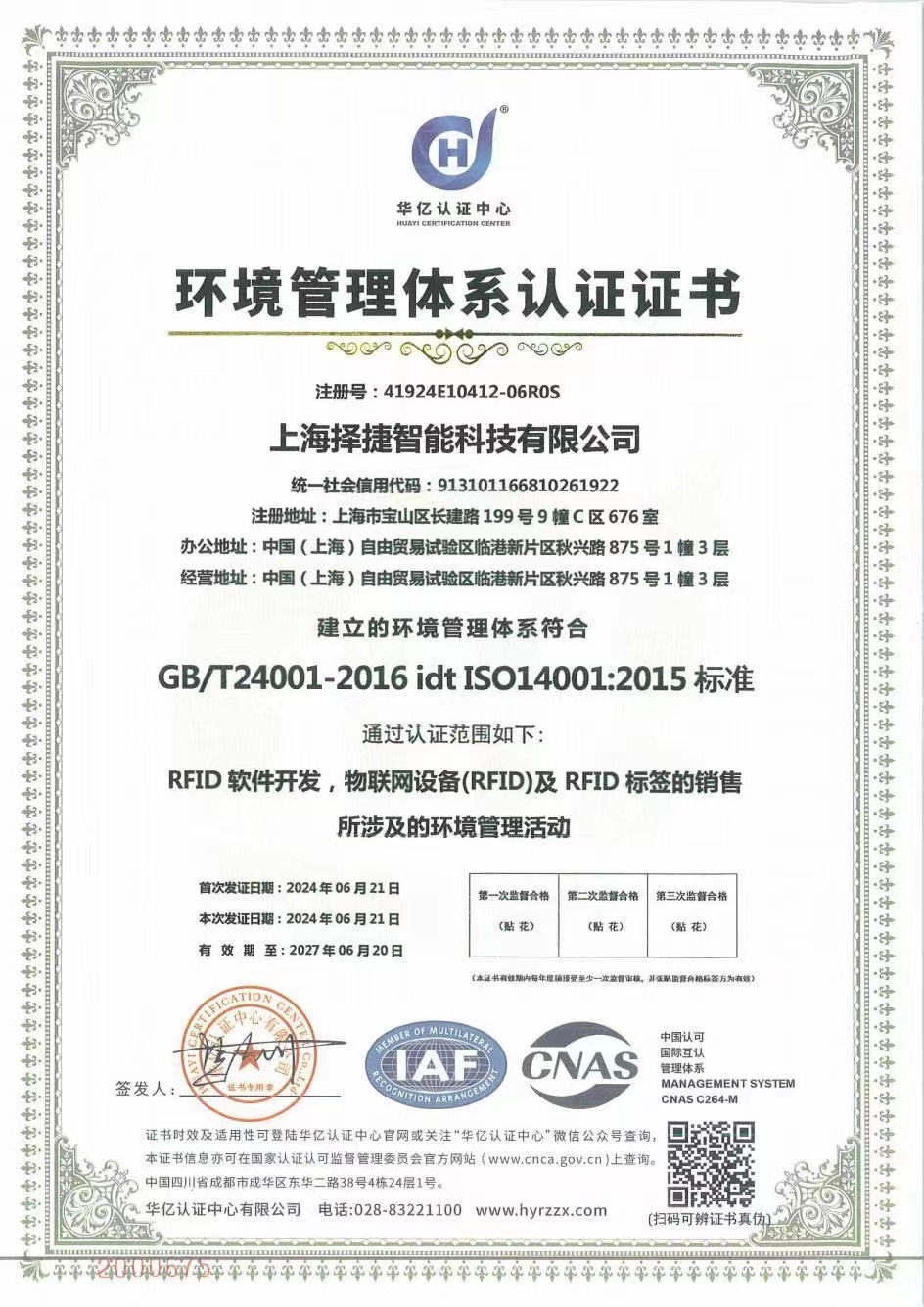
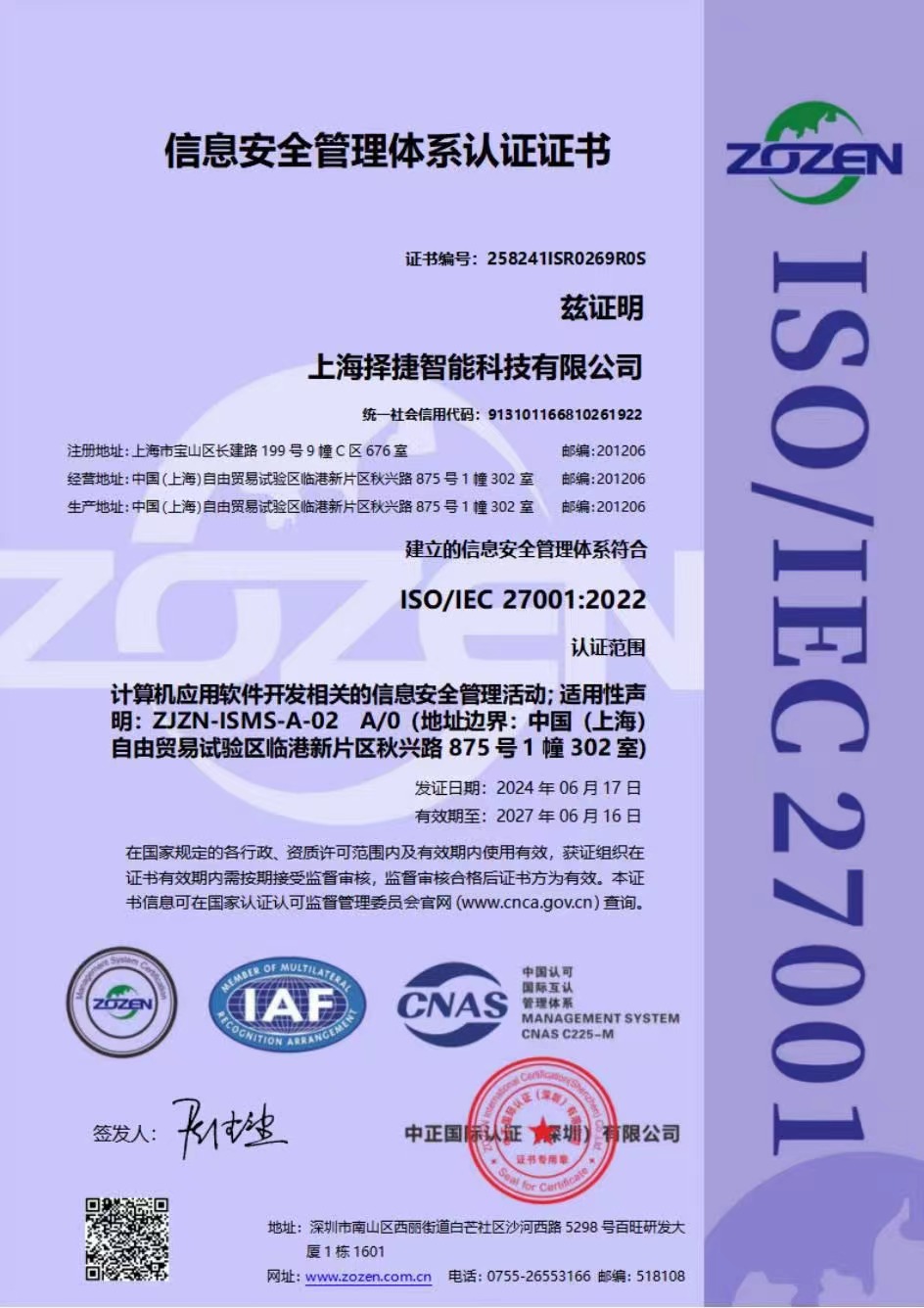
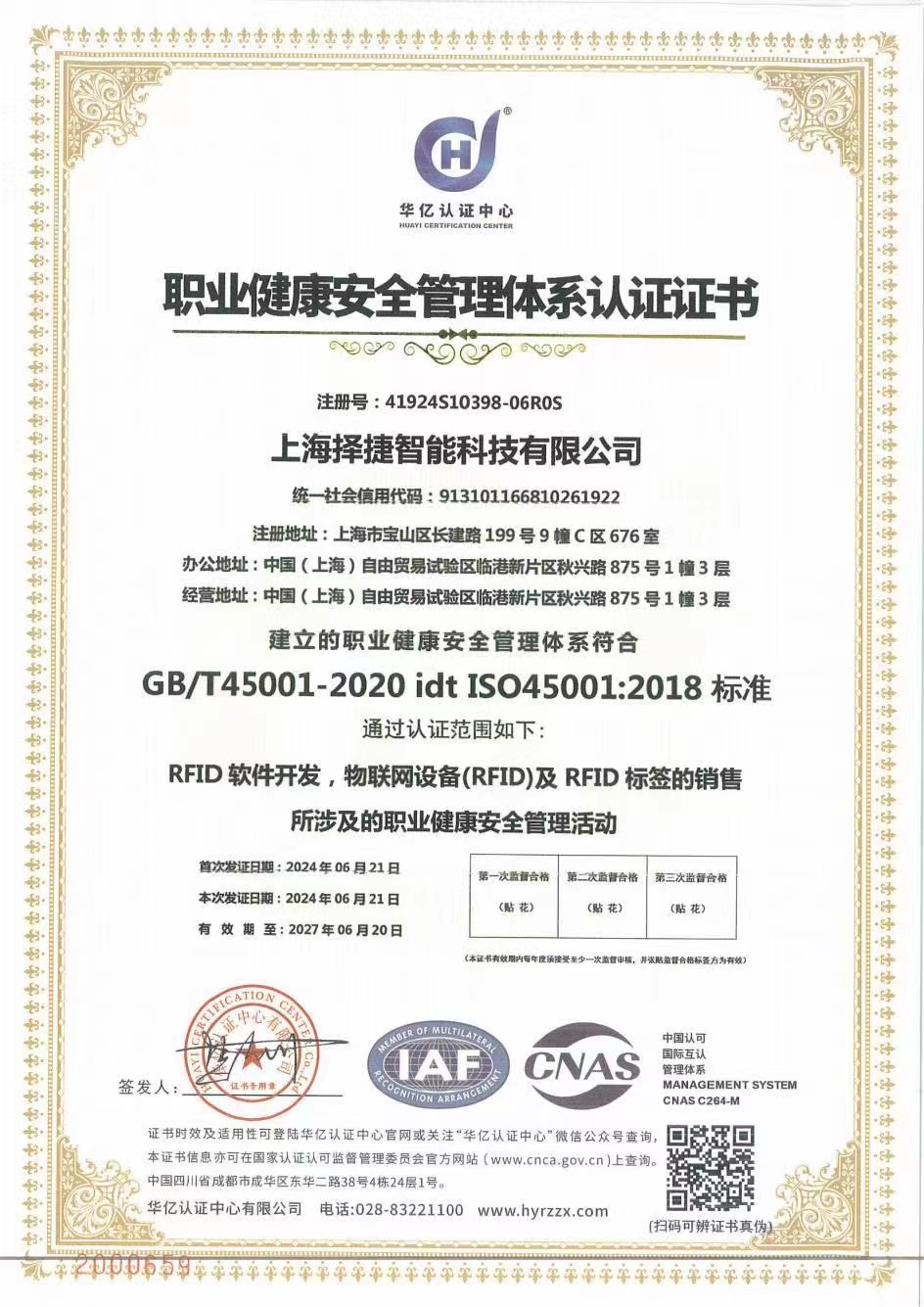
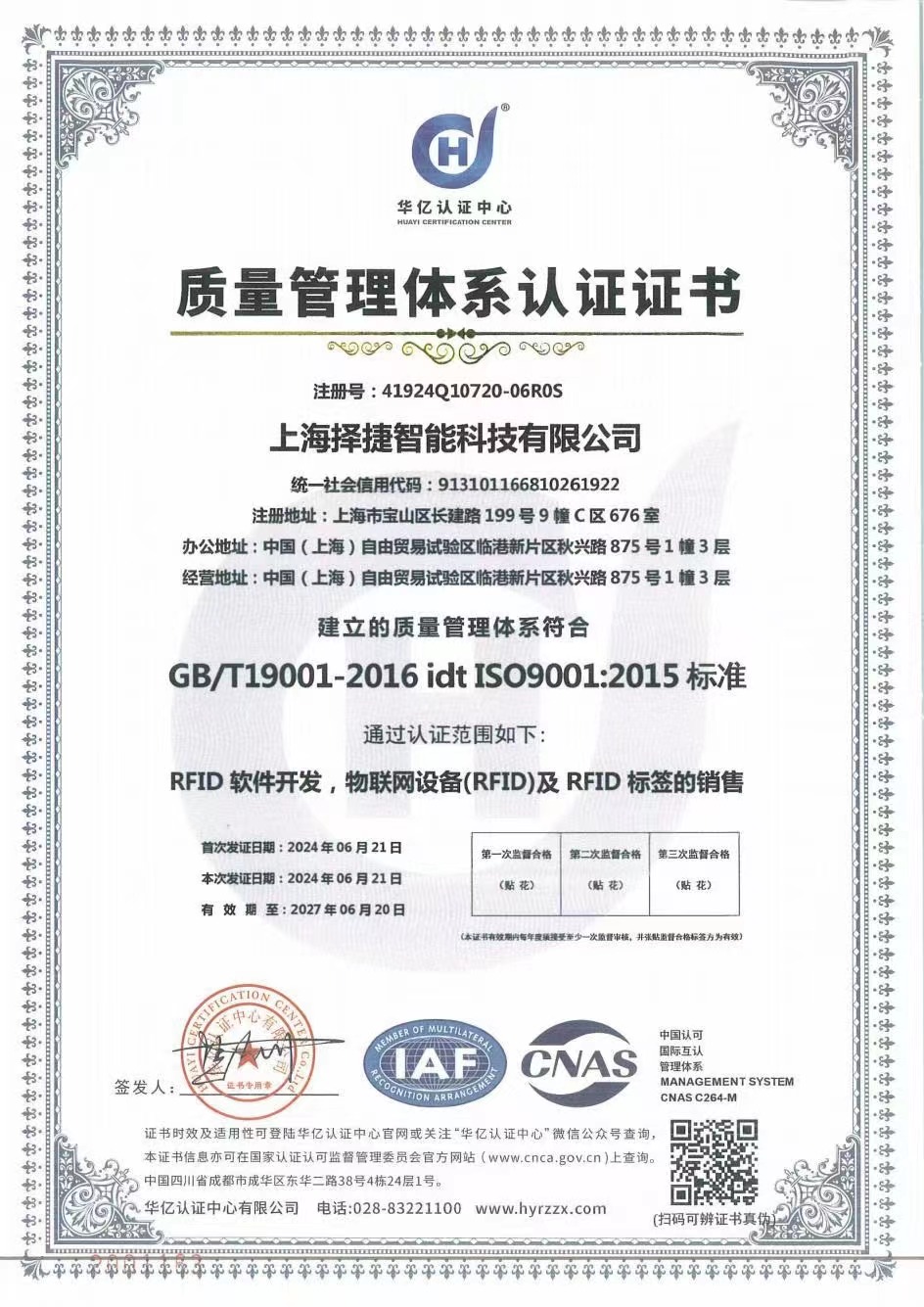
Qualifications and certification of enterprises
Authority, quality assurance. Trustworthy.

News
Getting up to date with the RFID industry information and company dynamics
What Is an RFID Reader? From Tag Read to Inventory Record
The RFID reader is a device for communicating through antennas and electronic labels. It answers with the agreed radio frequency protocol to search for tags, decode tags and then hand them over to a computer, controller or business system.
Four-Port UHF RFID Readers for Multi-Lane Inventory and Sortation
A four-channel UHF reader typically has four RF ports for UHF RFID antennas. In a multi-lane installation, the antennas can cover different locations or provide side coverage for harder-to-read positions. On a sorting line, multiple ports are often used to read different tag orientations on the same conveyor.
Fixed RFID Reader Deployment at Portals and Workstations
The same fixed RFID reader, which is installed in a warehouse door, usually determines whether a shipment has passed the specified entrance or exit. The other is placed at the working space to identify which material is involved in the current process. The former serves the access library and the batch transfer, while the latter serves the single binding, miscalculation and tracking of the process.
Type of UHF readers: broken down by frequency band and form
In storage, manufacturing and retail settings, UHF readers usually refer to equipment used to identify passive MHF RFID tags, often referred to as UHF readers. The procurement can be classified from two dimensions. The frequency band determines which area the device works by what set up, where the antenna is installed, who initiates reading, how the data is handed over to the operating system.
HF vs. UHF RFID Readers: How to Choose and Test Each Option
The selection asks: What is this identification to prove? A factory may need two types of RFID at the same time: a post confirmation of the material box in front of it, and a check-out of the cargo. The former wants the next-door box not to be selected, and the latter wants the vehicle to read as much as possible when it passes.
High frequency readers should apply the resolution of products and scenes in the 13.56 MHz band
A 13.56 MHz high-frequency reader reads cards on the table, and then puts them in the cabinet, but it is good and bad; the presentation is successful, with “interface success and labels still being old data” appearing occasionally on the production line. These two types of problems are often not solved by replacing a larger device. What really needs to be checked is the antenna environment, the time schedule of the mission and the writing of the confirmation link.
 Ms. Lei
 Mr. Pang